When Jeanette Corris joined the Leadership Coaching for Organizational Performance (LCOP) program at Rutgers University in the fall of 2024, she was in a career transition. From working in executive roles to starting her own coaching and consulting business, Corris is now also the Assistant Vice President of Corporate and Foundation Relations at the Rutgers University Foundation. She reflects on the leadership skills she gained through LCOP and the deep network she built, which she still taps into today.
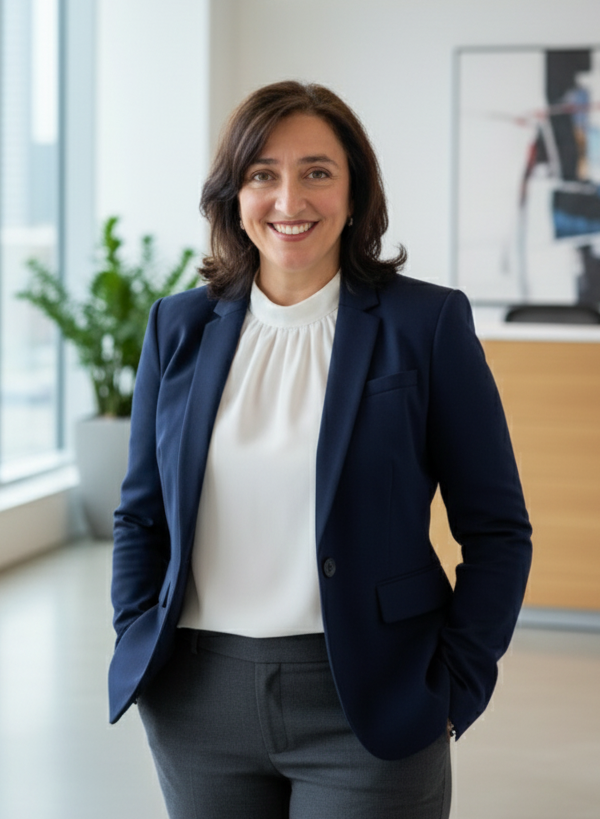
"I went in there to learn a skill, and I came out learning more about myself."
What inspired you to join Leadership Coaching for Organizational Performance at Rutgers?
I was in a transition period in my career. I'd been in an executive job for a number of years and decided I wanted a change, so I started consulting. While I was doing consulting work, I found myself thinking about what I loved most about my work. One of the things I really missed was working with my own team. I always enjoyed recognizing talent, supporting people in their growth, and seeing the results of that.
More than one person asked me, “Have you ever considered coaching?” I started looking at different programs and I could see that the Rutgers program offered more value. When I learned about the ICF certification process, I was so glad I chose Rutgers because it created a really strong foundation.
What was the biggest lesson you gained from the program?
It reinforced some of the things I already did naturally, but it also made me firmly see the difference between coaching, mentoring, and feedback. One of the greatest skills I learned was not handing out the solution but letting people really think through their challenge and solve it for themselves.
I went in there to learn a skill, and I came out learning more about myself. I learned what inspires me, what triggers me, how to recognize unhealthy stress in myself, and how to build practices that help me show up as a better coach.
How has the coaching mindset influenced the way you lead?
I always have these questions in the back of my mind: Am I approaching this from a growth mindset? What can I learn from this? I might make some missteps, but what am I going to take from this, and how can I help the people around me do that as well?
Can you share an example of applying what you learned?
When I started my coaching practice, the work of setting up a business and developing a client base felt huge and intimidating. Coaching helped me break it down. What's one step I can take today that will show progress and move the needle? Major results are built through small, consistent efforts over time. I was also fortunate to have a network of LCOP colleagues that I could rely on for their insights, encouragement, and coaching through this process.
Was there a particular experience in LCOP that had a lasting impact on you?
The personal brand exercise in the final module was very moving for me. There were all these interconnected experiences in my life that had brought me to that moment. Through reflection on my life experiences and my 30-year career in the nonprofit world, I realized my ambition as a coach was to support the people behind the mission at nonprofit organizations.
What advice would you give someone considering LCOP?
Be open to self-discovery. You're going to build a skill, but you're also going to learn about yourself along the way. You're learning to coach while being coached. This isn't a workshop. This is a life experience. Just be open to that process because it's so worth it. You're going to come out with more than you ever expected out of professional development.
What does leadership coaching mean to you?
Leadership coaching means you’re creating a safe space for people to explore and to grow and think through things. We so rarely step back from our day-to-day work to think about how we want to show up. Coaching creates that space, and that's such a gift.